Strategic Highways & Urban Rail
Major transport infrastructure connecting people, production centres and markets.

Explore the reforms, investments, projects and measurable results of the Tinubu administration across every sector, state and geopolitical zone. Follow what has been completed, what is ongoing and what comes next.
Search projects, programmes, policies, claims, evidence and documented impact across No Dey Doubt.
External sources can be searched separately from the NDD record. Information discovered on the wider web is not treated as a verified No Dey Doubt record until it has been reviewed.
Start with the facts that define the national picture. Every figure is drawn from the records available on No Dey Doubt and can be traced back to its underlying evidence.
A live count of the records currently documented, tracked and reviewed across No Dey Doubt.
These figures represent records currently documented in the No Dey Doubt database. Open individual records to examine their status, evidence and verification trail.
Explore the Evidence →Nigeria entered a period of major economic restructuring in May 2023. This section explains the conditions inherited, the decisions taken, the pressures created, the interventions introduced and the outcomes now emerging.
The first phase focused on fiscal, fuel-pricing and foreign-exchange reforms, alongside the creation or repositioning of key delivery institutions.
Social mitigation, minimum-wage reform, infrastructure mobilisation, oil-and-gas directives, student finance and trade-facilitation systems expanded.
The reform programme moved into deeper institutional implementation, expanded project execution and broader sector investment.
The next phase focuses on translating reform and macroeconomic adjustment into productivity, jobs, lower living costs and more visible local delivery.
The administration inherited deep fiscal, monetary, energy and security pressures. Its response combined structural reform with targeted interventions intended to restore public finances, attract investment, improve productivity and expand opportunity.
Reform is not measured by intention. It is measured by implementation, results and the experience of citizens.
From strategic highways and urban rail to student finance, consumer credit, clean transportation and trade modernisation, explore the programmes reshaping how Nigerians move, learn, produce and participate in the economy.
Major transport infrastructure connecting people, production centres and markets.
Student finance and skills programmes supporting access to education and human-capital development.
Credit and enterprise-support interventions for households and productive businesses.
Mobility initiatives built around domestic gas and electric transportation.
Trade-facilitation and maritime initiatives aimed at reducing friction and improving market access.
Skills, technology and innovation initiatives supporting participation in the digital economy.
Explore the records behind these delivery areas, with programmes, projects, evidence and implementation status documented separately.
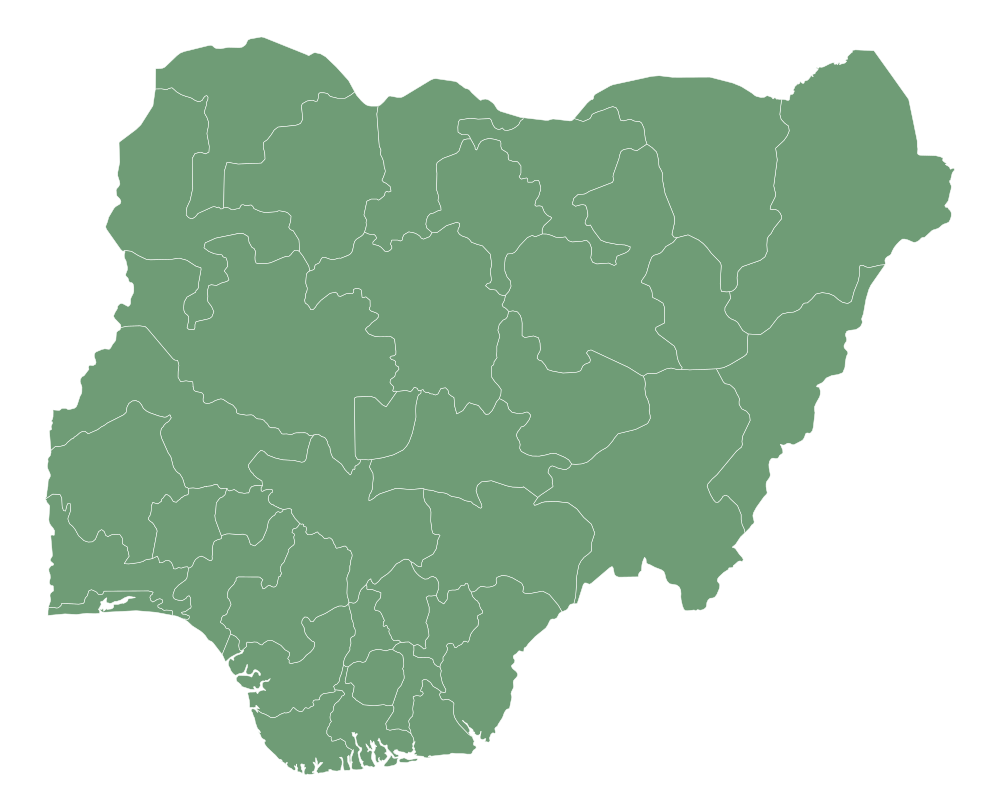
National progress becomes meaningful when citizens can locate it. Explore federal projects across states, sectors and delivery areas, then examine the evidence behind each record.
Blinking dots mark states with documented projects. Click a state to see its projects.
Health
Under reviewRoads, Rail and Infrastructure
Under reviewAMAC-BWARI · Roads, Rail and Infrastructure
Under reviewEducation and Student Support
Under reviewHealthcare
Under reviewIseyin · Energy, Oil and Gas
Under reviewAMAC · Housing and Urban Development
Under reviewExplore the different delivery priorities and project activity documented across Nigeria's six geopolitical zones.
Transport, agricultural, mining, urban-transit and security interventions across the Middle Belt and the Federal Capital Territory.
Reconstruction, irrigation, education, healthcare, trade-corridor and security recovery initiatives.
Strategic highways, clean-mobility expansion, development-commission programmes and security interventions.
Highway reconstruction, gas and industrial links, development-commission initiatives and measures supporting commercial stability.
Energy security, oil-producing community initiatives, the East–West Road, coastal infrastructure and port modernisation.
Coastal highway works, port and trade reforms, clean-mobility infrastructure, rail logistics and industrial investment.
Policies become meaningful when they change real lives. Meet students, workers, farmers, entrepreneurs, transport operators and communities experiencing the practical effects of government programmes and public investment.
Behind every approved loan, reconstructed road, trained technician and new enterprise is a person or community. Hear directly from Nigerians whose opportunities, journeys or livelihoods have changed.

Financial hardship had put his university education at risk and he said he was close to dropping out.
He received support through the NELFUND student loan scheme, which he said was funding his tuition.
According to his account, the student loan enabled him to continue his university education instead of dropping out.
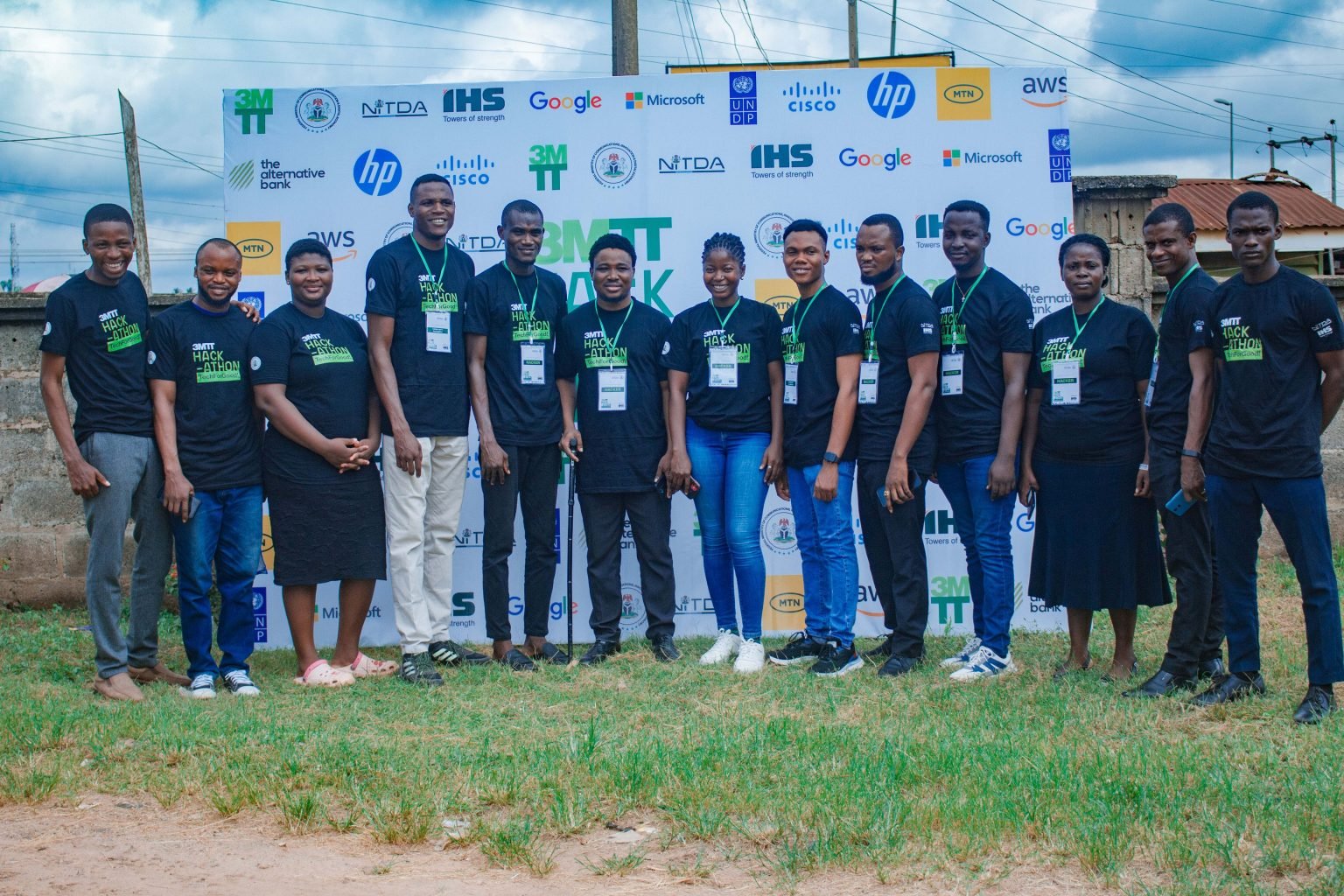
Damilola was an entrepreneur interested in technology but did not initially see herself as part of the technology sector.
She participated in the 3MTT Cohort 2 Product Management track, receiving theoretical and practical product-management training.
After completing the programme and sharing her certificate online, she connected with a UAE-based company, initially seeking an internship. She subsequently received a Product Manager role.

Rukayya relied on selling firewood because she lacked the skills and money to pursue another business.
Through the Nigeria for Women Project and her Women Affinity Group, she received training on savings, business skills and financial management and was able to access a group loan.
She borrowed ₦12,000 from her WAG, invested it in a bag of soybeans and later expanded into tiger nuts. The World Bank reports that she moved from firewood sales into a more sustainable source of income.
“Through the NFWP, I became aware of innovative businesses that support sustainable livelihoods.
Share your experience and supporting information for editorial review.
Individual experiences provide context, not national-scale proof. Each story should be considered alongside its programme record, location, consent and available evidence.
Explore the economic indicators and evidence used to understand changes in public finance, investment, household conditions and economic opportunity.
Economic performance cannot be understood through a single figure. Examine the underlying evidence, reporting periods, sources and methodology behind the national picture.
Public progress should be visible and verifiable. Examine the evidence behind the numbers, understand how records are assessed and question information that may need correction.
Every material claim should be traceable to its source, reporting period and latest verification.
Explore what is happening across Nigeria, examine the evidence behind the claims and follow delivery from the national picture to your own community.
See the work in your state. Check the facts. Share the progress.